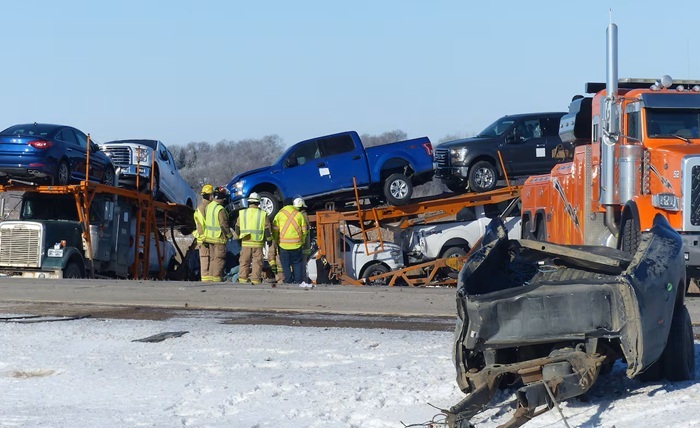
A crash with a large truck is rarely simple. A small car folds fast. A loaded truck often barely moves. That difference matters the second a claim begins. In Houston, truck routes stay busy all day. Freight moves through highways before sunrise, after dark, and through lunch traffic too. One missed brake check or one tired driver can change a family’s week in seconds. That is why claims against trucking companies feel different from a basic car wreck claim. You are not only dealing with one driver. You may face a company, its insurer, a cargo contractor, and sometimes a repair vendor too. A lot of people think fault is obvious after a truck crash. It should be, right? Not always. A company may argue weather caused it. They may point to road work. They may say the driver followed policy. That fight starts early.
Big trucks mean big records — and those records matter
A trucking company keeps logs. Drivers track hours. Trucks store brake data, speed data, and route details. That can tell a clear story.
A claim often depends on records like:
- driver hour logs
- black box data
- truck repair notes
- dash camera footage
- dispatch messages
That evidence can disappear fast if no one asks for it early. Here’s the thing: large carriers often send response teams right after a wreck. They do not wait around. They know every hour counts. That is why many victims contact Schechter, Shaffer & Harris, LLP – Accident & Injury Attorneys soon after medical care starts. A legal team can send notice letters that tell the company to keep records untouched.
First days after the crash feel messy, but they matter most
Pain usually grows later. A person may walk away, then wake up sore the next day. Neck pain, back strain, and head pain often show up late. See a doctor first. Always. Medical notes help your health, but they also connect the injury to the crash. Without that link, insurers start asking hard questions. Photos help too. So do receipts, tow records, and names from witnesses. And yes, save small things. A torn backpack, cracked glasses, even a damaged phone can help explain force at impact. Small items tell a big story sometimes.
Why trucking firms push back so hard
Truck claims often involve higher policy limits. More money means tougher defense.
A carrier may argue:
- you stopped too fast
- another car caused the chain reaction
- your injury existed before the crash
That last point comes up a lot. Even old back pain becomes part of the argument. Honestly, this surprises many people. A crash can be clear, yet the claim still gets dragged out. That is why timing matters. Delay gives the defense room.
The company behind the driver may share blame
A truck driver is not always the only target in a claim. If a company forced unsafe schedules, skipped repairs, or hired badly, it may share fault. A tired driver after twelve long hours is not just tired by chance. Someone approved the route. Someone watched deadlines. That opens the door to broader claims. It also changes settlement value. A skilled legal team often looks past the driver first and asks: who controlled the job that day?
Why local legal help often changes the pace
A truck crash file grows quickly. Medical bills stack up. Calls come in. Forms arrive. That is when many people look for a Houston personal injury lawyer—someone who knows local roads, local courts, and how truck insurers usually respond in this area. A lawyer familiar with freight crashes near Interstate 10 or Interstate 45 already understands where major truck traffic builds risk. That local detail helps more than people expect. At Schechter, Shaffer & Harris, LLP – Accident & Injury Attorneys, cases often begin with one simple goal: lock down evidence before it fades. Because once a record is lost, it rarely comes back.
Settlement talk starts early, sometimes too early
An insurer may call before full treatment ends. That first offer may sound useful when bills arrive. Still, early offers often miss future care, missed work, and pain that lasts longer than expected. A back injury in week one may feel very different by month three. You know what? People often underestimate recovery time because they want life to be normal again. That is human. Insurance teams know it too. So numbers should wait until treatment gives a clearer picture.
Court is not always the end point
Most truck claims settle before trial. Still, trial pressure often pushes fair offers. That means every file should be built as if a jury may see it. Photos, records, witness notes, doctor reports — each piece matters. A strong claim usually looks simple from the outside. It is not simple underneath.
FAQs
- How long do I have to file a truck injury claim in Texas?
Texas usually gives two years from the crash date for injury claims. Waiting too long can block recovery. Early legal practice action also protects records that may vanish.
- Can I sue the trucking company and not just the driver?
Yes. If the company caused unsafe work conditions, poor repair, or bad hiring, it may share fault. That often raises claim value.
- What if the truck driver says I caused the crash?
That happens often. Evidence decides it. Camera footage, black box data, and witness statements can challenge that claim.
- Should I accept the first insurance offer?
Usually, no. Early offers often miss future treatment costs, lost wages, and long-term pain. A full review helps first.
- Why is a truck case harder than a car wreck case?
Truck claims involve more records, more insurance layers, and stronger defense teams. Large carriers prepare quickly, so victims need quick legal support too.